
If you are planning to buy real estate in Vietnam, you will almost certainly hear the terms Pink Book and Red Book. Many foreign buyers mistakenly believe these are two completely different ownership documents. In reality, the legal system has evolved, and understanding what these certificates actually represent is essential before investing.
This guide explains what the Pink Book is, how it differs from the Red Book, whether foreigners can obtain one, and what every overseas buyer should verify before signing a property purchase agreement.
PINK BOOK
What Is the Pink Book?
The Pink Book is the common name used in Vietnam for the official Certificate of Land Use Rights, Ownership of Houses and Other Assets Attached to Land.
Although people still refer to it as the “Pink Book,” the official legal name does not use this nickname. It is simply the government-issued ownership certificate confirming the legal rights of the property owner.
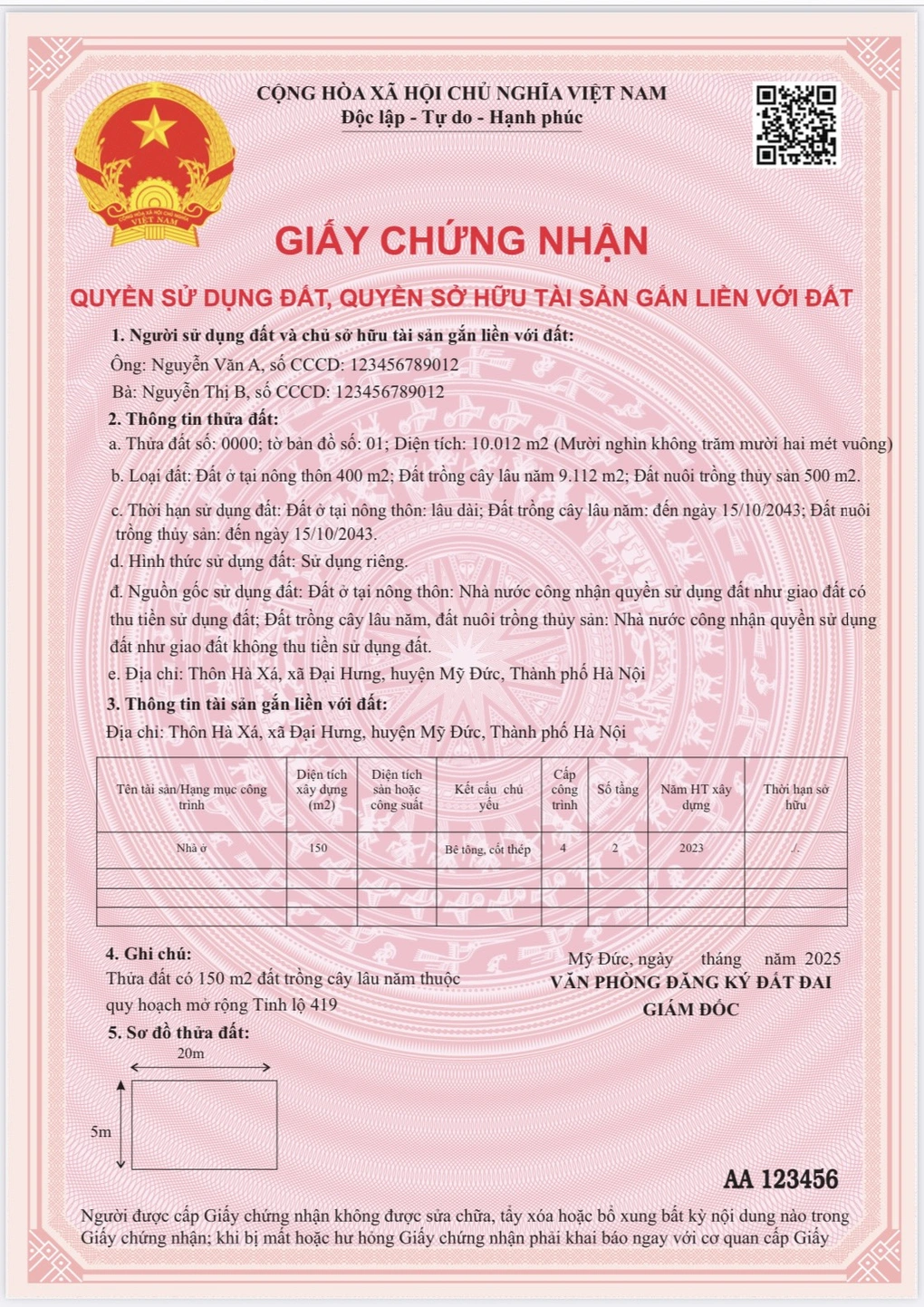
The certificate generally contains:
• Owner’s information
• Property address
• Apartment or house details
• Floor area
• Land use information (when applicable)
• Ownership duration
• Legal restrictions (if any)
Why Is It Called the Pink Book?
The nickname comes from the pink-colored cover that has been used for many years.
RED BOOK
What Is the Red Book?
The Red Book is the normal name used in Vietnam for the official Certificate of Land Use Rights. It was originally issued to certify an individual’s or organization’s legal right to use a specific parcel of land under Vietnamese law.
For many years, the Red Book was the primary legal document for land ownership-related matters, especially for land without residential buildings.
Today, Vietnam has largely replaced the old Red Book with a unified certificate known as the Certificate of Land Use Rights, Ownership of Houses and Other Assets Attached to Land. However, the term “Red Book” remains widely used by Vietnamese people and property professionals when referring to land ownership documents.
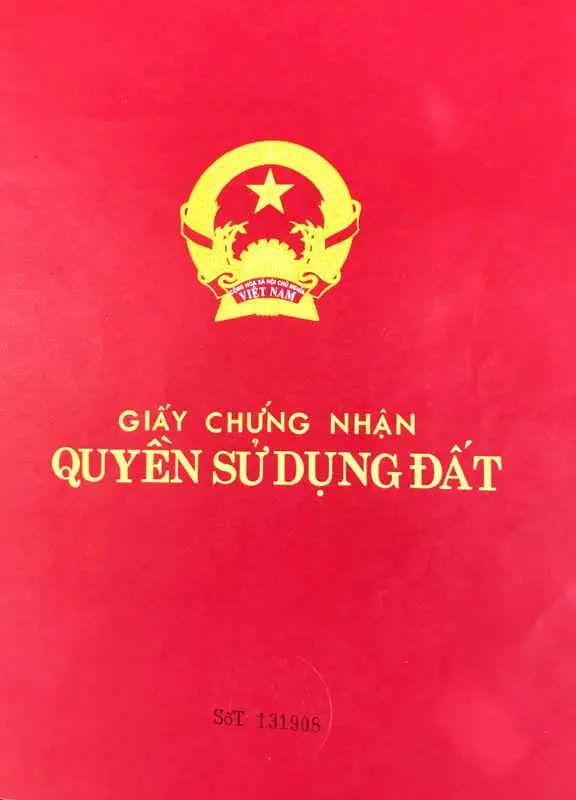
A Red Book typically includes:
• Owner’s information
• Land parcel number and map reference
• Land address and location
• Land area and boundaries
• Land use purpose
• Land use term (if applicable)
• Origin of land use rights
• Legal restrictions or encumbrances (if any)
Why Is It Called the Red Book?
The name “Red Book” simply comes from its iconic red cover. Although Vietnam has replaced it with a unified ownership certificate, the term remains deeply rooted in everyday conversations and is still widely used across the real estate industry.
For foreign buyers, understanding the difference between the historical Red Book and today’s unified ownership certificate is important when evaluating the legal status of a property in Vietnam.
Pink Book vs Red Book
Many foreign investors assume these documents represent different ownership rights. That is only partly true.
Historically:
∎ Red Book mainly certified land use rights.
∎ Pink Book mainly certified house ownership.
Accordingly, since 10 December 2009, Vietnam has issued a unified ownership certificate officially known as the Certificate of Land Use Rights, Ownership of Houses and Other Assets Attached to Land. This certificate is used nationwide and applies to all types of land, residential properties, and other assets attached to land.
Benefits of Having a Pink Book
Holding a valid Pink Book provides property owners with important legal protection and greater peace of mind. Key benefits include:
Proof of Legal Ownership
Officially confirms your ownership rights under Vietnamese law.
Higher Property Value
Properties with a Pink Book are generally more attractive to buyers and investors.
Ease of Property Management
✓ Resale: Simplifies the process of selling or transferring property.
✓ Inheritance: Makes it easier to pass the property to heirs.
✓ Leasing: Provides legal backing for rental agreements.
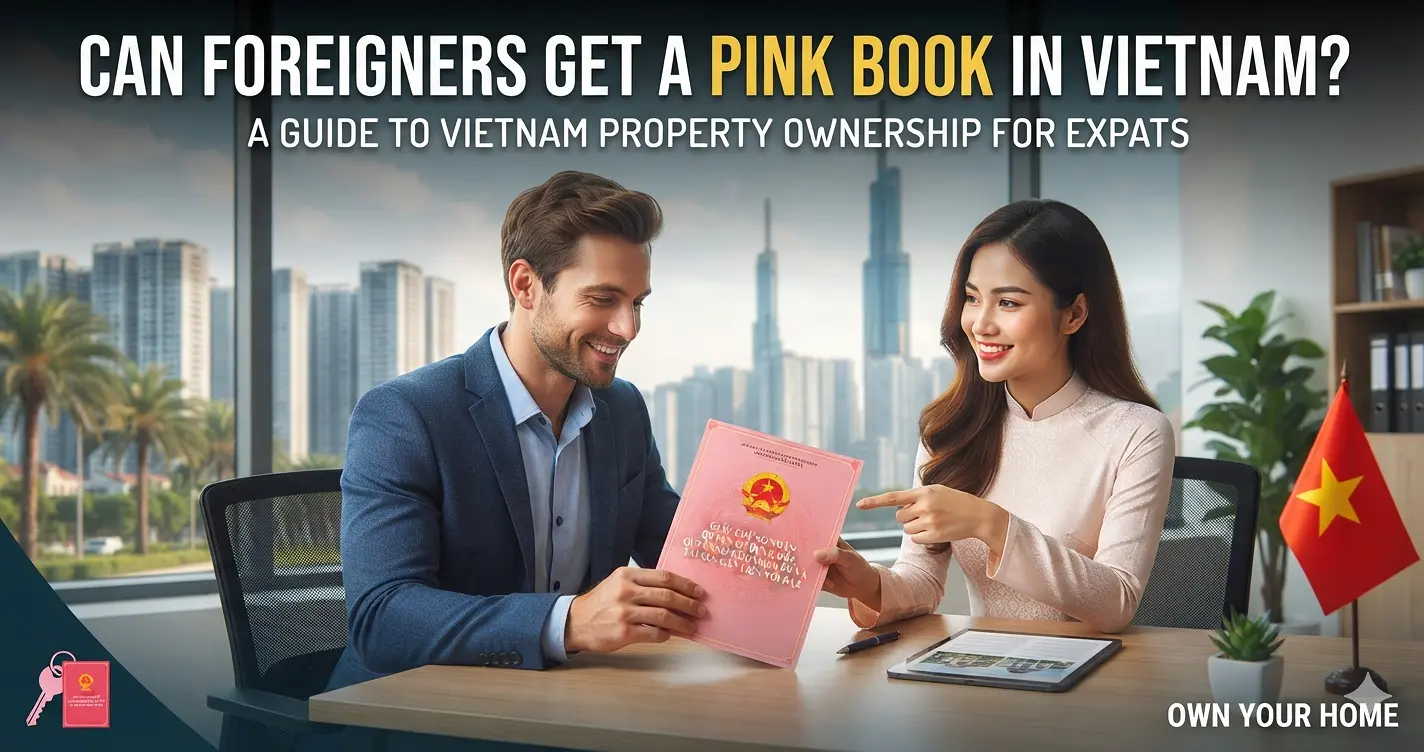
Can Foreigners Get a Pink Book in Vietnam?
Yes.According to the Vietnam Housing Law 2014, foreigners can get a “Pink Book” for condominiums and individual residential houses (including villas, adjacent houses, and independent houses) located within commercial housing construction investment projects.
However, Vietnamese Law does not allow foreigners named on the Certificate of Land Use Rights, the Certificate of Ownership of Residential Houses, and Assets Attached to Land.
In Vietnam, foreigners can be listed on the “Pink Book” for 50 years. Under Article 20 of the Housing Law 2023 (effective January 1, 2025), they are eligible to extend their homeownership rights once, for an additional period of up to 50 years.
Although the Vietnamese government is still refining the specific process for this extension, authorities are actively working on comprehensive legislation to ensure the procedure is clear and straightforward.
Steps to Obtain the Pink Book
⒈ Developer Submission: The developer submits required documents to the government within one year of property handover.
⒉ Application Review: The government reviews and verifies the application.
⒊ Issuance: The Pink Book is issued to the buyer.
Common Issues and Solutions
Delayed Issuance: Developers failing to meet the one-year deadline for Pink Book applications.
Ownership Disputes: Disputes over property boundaries or shared ownership
Expired Ownership for Foreigners:The 50-year ownership term can expire if the Pink Book is not issued promptly.
Besides ‘Pink Book’, Investors have two popular and efficient options for property ownership when it comes to condominiums and villas: Sale and Purchase Agreement (SPA) and Long-term Lease Agreement (LTL). These alternatives provide flexibility and convenience, making the investment process smoother and more accessible while awaiting the ‘Pink Book’.
Sale Purchase Agreement (SPA)
A sales and purchase agreement is a legally binding contract that obliges the buyer to purchase and the seller to sell a product or service.
In real estate, the SPA signifies the acknowledgment of the buyer’s apartment ownership rights by the real estate project developer, with a duration of 50 years and the possibility of extension. Foreigners can sell, and transfer SPA to both foreigners and Vietnamese citizens.
Currently, the real estate developer will assist foreign-owned apartments with SPA to apply for the issuance of the Pink Book in order based on the date of completion of the apartment.
Long Term Leasing (LTL)
For foreigners who wish to own properties (typically condominiums) in Vietnam but do not meet the requirements to sign a SPA contract, the Long Term Lease Agreement, or LTL for short, serves as a type of real estate purchase contract.
The LTL contracts usually have a duration of 50 years and grant the right to use the condominium for the lease period under the conditions and limitations specified in the lease agreement.
Foreigners can transfer and sell their Long Term Lease Agreements (LTA) to both foreigners and Vietnamese citizens. In case of transfer or sale to a foreigner, the recipient will receive the remaining lease time (LTA), while a Vietnamese citizen will receive the SPA.
Looking for Luxury Property in Ho Chi Minh City?
CBD Saigon Property, we specialize in helping expatriates, overseas Vietnamese, and international investors find premium residential properties across Ho Chi Minh City– district 1, district 2.